

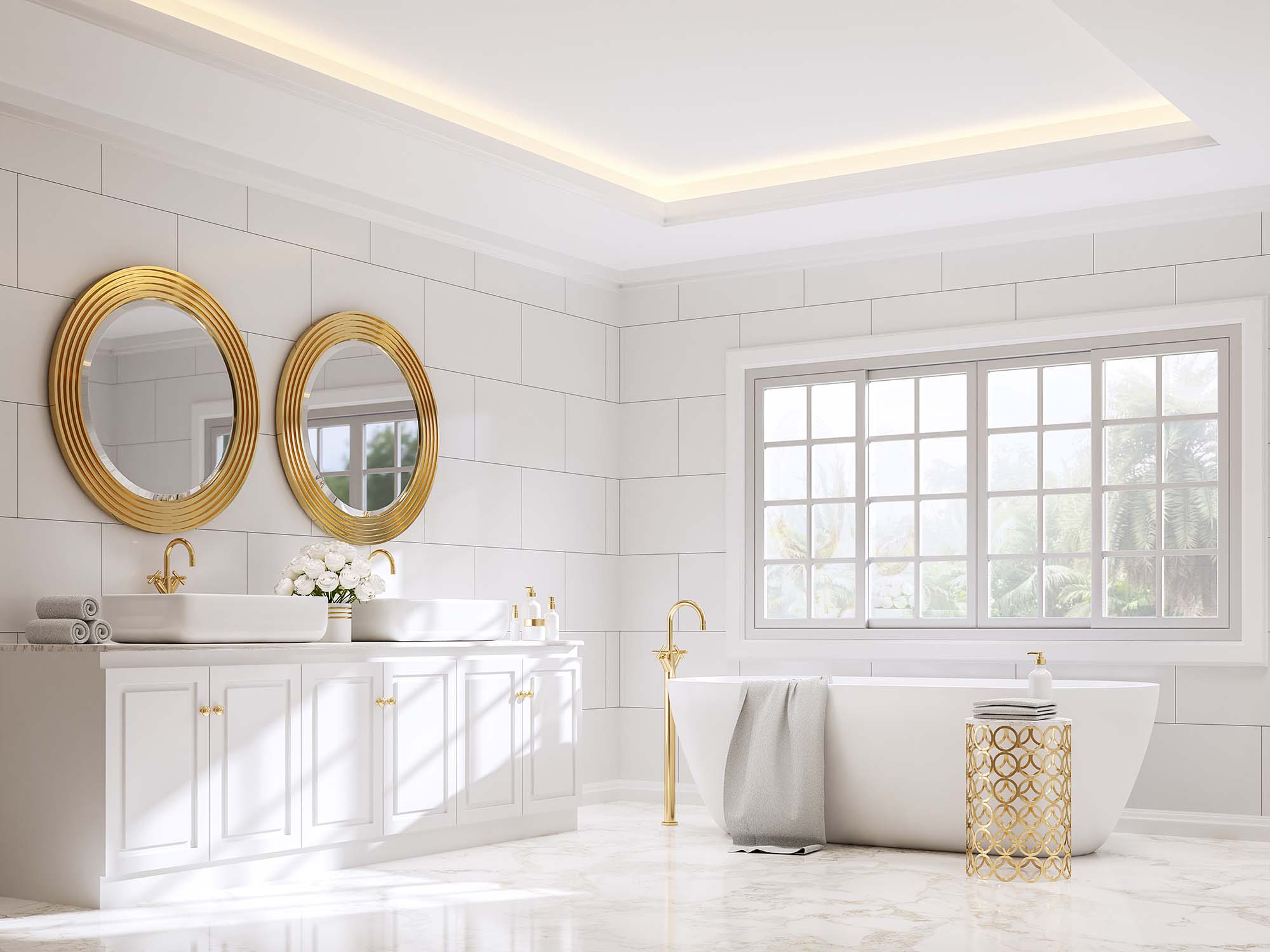
A bathroom in a Banner Elk home needs flooring that can handle wet conditions, changing temperatures, and everyday use without losing its visual appeal. Between showers, bath time, and water splashes around the sink, the floor can become slippery if you choose the wrong surface. The tile you select should complement your bathroom design while offering practical features that make daily cleaning and maintenance easier.
Explore the tile selection at A Flooring Outlet, Inc. to compare styles, colors, and finishes for your bathroom project. If you need help narrowing down your choices, you can also contact the team to discuss flooring options for your home in Banner Elk, NC.
Choose a Surface With Bathroom Safety in Mind
Bathroom floors regularly come into contact with water, so the surface finish deserves careful consideration. A highly polished tile may look attractive, but it can become slippery when wet. Textured or matte finishes can offer more traction, depending on the specific product and its intended use.
Pay attention to the manufacturer's slip resistance information rather than judging safety by appearance alone. Ask whether the tile is suitable for bathroom floors and wet areas. Some products are designed primarily for walls, while others are made to handle regular foot traffic and moisture underfoot.
Tile size and grout placement can also influence how a bathroom floor feels. Smaller tiles create more grout joints across the surface, which may provide additional points of traction. However, the tile's finish, installation, and maintenance all contribute to overall safety.
If your bathroom is used by children, older family members, or guests with mobility concerns, consider these details early in the selection process. A suitable non-slip surface and appropriate bathroom accessories can help make the space more comfortable to use.
Understand the Difference Between Porcelain and Ceramic Tile
Porcelain and ceramic are two common tile choices for bathrooms. Both are available in many colors, patterns, and sizes, but their properties differ.
Porcelain Tile
Porcelain tile is made from refined clay and fired at high temperatures. It generally has a dense structure and low water absorption, making it a popular choice for bathroom floors and other areas exposed to moisture.
You can find porcelain styles that resemble natural stone, marble, concrete, or wood. This gives you flexibility when designing a bathroom that complements the rest of your Banner Elk home. For example, a stone inspired porcelain tile can work well with natural wood cabinets and neutral wall colors.
Although porcelain is generally durable, the specific product still needs to be suitable for the location where you plan to install it. Check the manufacturer's specifications for floor use, slip resistance, and maintenance.
Ceramic Tile
Ceramic tile is another option worth considering, particularly for bathroom walls and backsplashes. It comes in a wide range of decorative styles, including glossy finishes, traditional patterns, and simple neutral designs.
Some ceramic tiles are suitable for bathroom floors, but not all are designed for that purpose. Check the product rating and installation recommendations before selecting one. Ceramic wall tile should not automatically be used as floor tile simply because it has the right color or appearance.
Consider Different Tile Sizes for Your Bathroom
The size of your tile can influence how spacious or detailed your bathroom looks. Larger tiles often create a cleaner appearance because they have fewer grout joints. They can work particularly well in larger bathrooms with open floor areas and simple design features.
Smaller tiles can be useful in shower floors, curved areas, and spaces where the installer needs more flexibility. Mosaic tiles are available in different shapes and finishes, allowing you to add detail without making the entire room feel busy.
For a smaller bathroom, look at how the tile layout will work around the toilet, vanity, shower, and doorways. A layout that uses too many small cuts may look crowded. Discuss tile dimensions and placement with your installer before purchasing so you can understand how the finished floor will look.
Pick Colors That Work With Your Bathroom Lighting
Tile color can change the atmosphere of a bathroom. Light shades such as cream, soft gray, and warm beige can help create a bright and open appearance. These colors are particularly useful in bathrooms with limited natural light or smaller windows.
Darker shades can add contrast and give the room a more defined appearance. Charcoal, deep brown, and slate inspired colors can complement wood vanities, dark fixtures, and other natural finishes. However, darker surfaces may make dust, soap residue, and water marks more noticeable depending on the finish.
Consider the lighting in your bathroom before making a final decision. A tile sample may look different under showroom lighting than it does under your home's overhead lights or natural daylight. Compare samples beside your vanity, wall color, and countertop to see how the finishes work together.
Choose Grout That Is Easy to Maintain
Grout is a small detail that can make a noticeable difference to the finished bathroom. It affects the appearance of the tile layout and plays a role in keeping the installation properly sealed and maintained.
A grout color close to the tile shade creates a more continuous appearance. A contrasting color highlights the tile shapes and makes the pattern more noticeable. Both approaches can work well, depending on the look you want.
Bathrooms also need grout that can handle regular moisture and cleaning. Ask your installer about suitable grout products, sealing requirements, and recommended cleaning methods. Some grout types are more resistant to staining and moisture absorption than others.
Clean grout regularly using products approved for your installation. Avoid harsh chemicals that may damage the grout or tile surface. Good ventilation can also help reduce excess moisture in the bathroom and limit the conditions that contribute to mold and mildew growth.
Think About Shower Walls and Floors Separately
Your shower area has different practical needs from the rest of the bathroom. The floor needs a suitable surface for wet foot traffic, while the walls need a tile that can handle regular water exposure and is easy to clean.
Smaller mosaic tiles are often used on shower floors because they can accommodate the slope needed to direct water toward the drain. The individual tile pieces and grout joints also allow the installer to work around the shape of the shower floor.
For shower walls, you have more flexibility with larger formats, decorative patterns, and glossy finishes. A simple wall tile can create a clean background, while a different tile behind a shower niche can introduce a small design feature.
Remember that tile alone does not make a shower waterproof. Proper waterproofing, drainage, grout, and installation methods are essential. Work with a qualified installer who understands the requirements of wet areas.
Make Cleaning Part of Your Tile Selection
A bathroom should be comfortable to use, but it should also be manageable to maintain. Highly textured surfaces may offer useful traction, yet they can take more effort to clean because dirt and soap residue may collect in their texture. Very glossy surfaces can be easier to wipe down but may show water marks more clearly.
Think about how much time you want to spend cleaning your bathroom. If the space gets frequent use, a tile with a practical finish and straightforward care requirements may be a better choice than a highly decorative option that needs special attention.
After installation, use a regular cleaning routine suited to the tile and grout. Wipe up standing water when possible, clean shower surfaces regularly, and keep the room ventilated. These habits can help preserve the appearance of your bathroom and reduce moisture related problems.
Coordinate Tile With the Rest of Your Home
Bathroom tile does not need to match every other room, but it should feel connected to your home's overall style. In a Banner Elk mountain home, natural wood, stone inspired finishes, and warm neutral colors can create a comfortable look.
If your home has rustic wood details, consider tile colors that complement those tones. Warm gray, beige, and natural stone patterns can work well with wood vanities and earthy decor. For a more contemporary interior, simple geometric patterns and clean neutral shades may be a better fit.
Using a consistent color palette throughout the home can create a sense of connection without making every room look identical. Your bathroom can have its own character while still complementing the surrounding spaces.
Find Bathroom Tile That Fits Your Home
The right bathroom tile should offer a practical surface for wet conditions while supporting the design you want. Consider slip resistance, material, size, grout, cleaning needs, and how the tile will look with your existing fixtures before making your decision.
Visit A Flooring Outlet, Inc. in Banner Elk, NC, to explore tile options for your bathroom project. You can also contact the team to discuss your plans and find a tile style that suits your home.


