

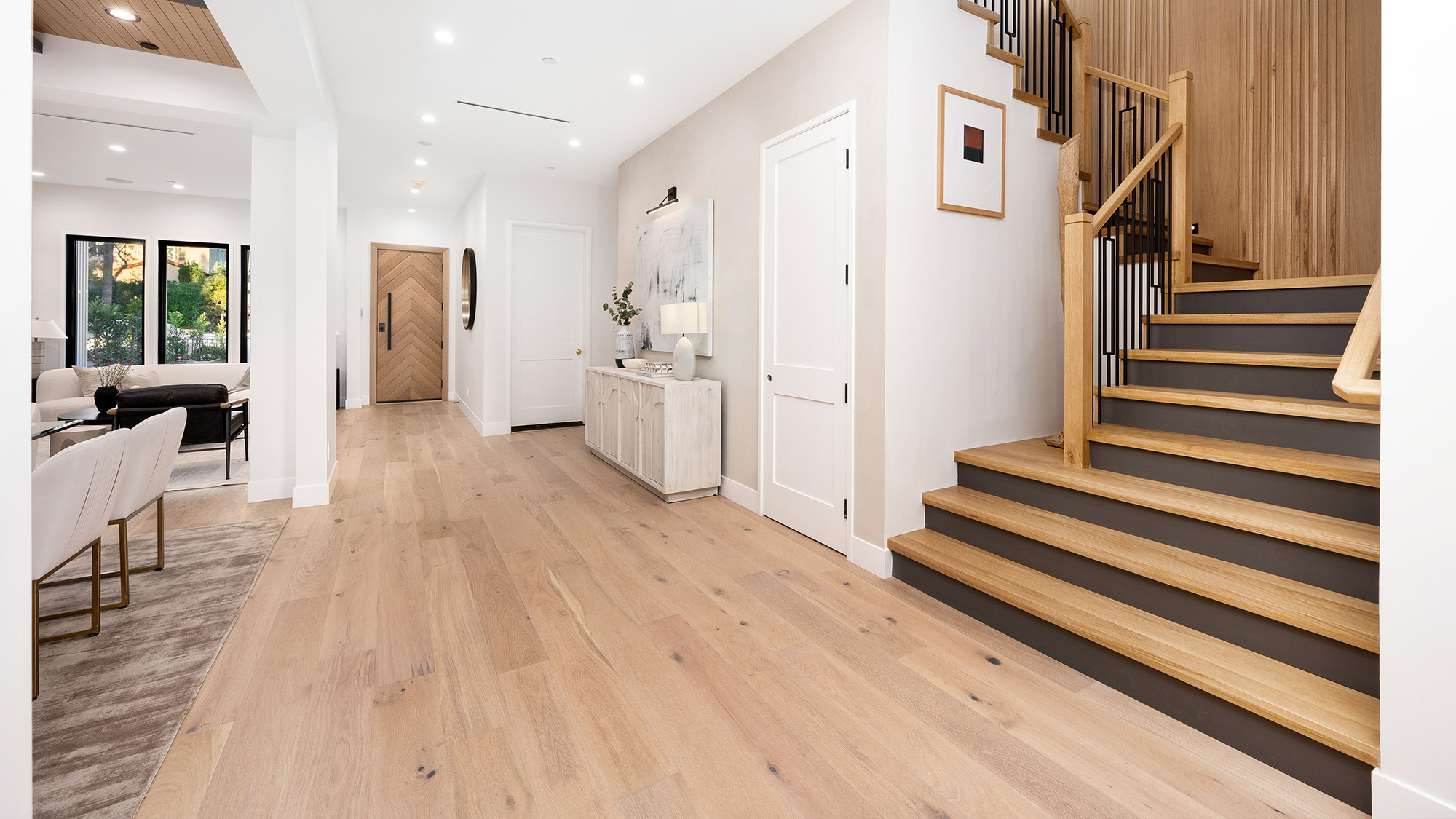
From snowy winter mornings to humid summer afternoons, Banner Elk experiences seasonal weather that can influence the condition of your hardwood floors. Natural wood responds to changes in temperature and moisture in the air. As indoor conditions shift throughout the year, you may notice small gaps between boards, changes in the floor's appearance, or areas that need more frequent cleaning.
Good maintenance starts with understanding how your flooring responds to its environment. Choosing suitable hardwood flooring from A Flooring Outlet, Inc. is an important first step, but your everyday habits also play a part in keeping it in good condition. If you need advice about your flooring, you can contact the team to discuss options for your Banner Elk home.
Understand How Seasonal Changes Affect Hardwood
Hardwood is a natural material, so it reacts to the moisture levels around it. During humid periods, wood can absorb moisture and expand. When indoor air becomes drier, particularly during colder months when heating systems are running, the wood can lose moisture and contract.
These natural changes may cause narrow gaps to appear between boards during drier periods. Some gaps may become less noticeable when humidity rises again. You might also notice slight changes in the shape or surface of individual boards when indoor moisture conditions are not well controlled.
Rather than assuming every seasonal change is a sign of damage, pay attention to how your floors behave over time. Small seasonal variations can be normal, but persistent cupping, buckling, or unusual movement should be checked by a flooring professional. Keeping indoor conditions relatively stable can help reduce unnecessary movement.
Monitor Indoor Humidity Throughout the Year
Humidity control is one of the most useful ways to care for hardwood flooring in a climate with changing seasons. Indoor conditions can vary considerably between winter and summer, especially in homes that rely heavily on heating or air conditioning.
A small hygrometer can help you monitor the relative humidity inside your home. Follow the range recommended by your flooring manufacturer, as the ideal conditions can vary depending on the wood species and product construction. Some manufacturers recommend maintaining indoor relative humidity around 35 to 55 percent, but your own flooring's care instructions should take priority.
During dry winter weather, a humidifier may help prevent indoor air from becoming excessively dry. In humid summer conditions, air conditioning or a dehumidifier may help manage excess moisture. Avoid making sudden, extreme adjustments. Consistent indoor conditions are generally better for hardwood than frequent changes from very dry to very humid air.
Protect Your Floors From Winter Snow, Salt, and Mud
Winter brings a different set of challenges to homes around Banner Elk. Snow, rain, mud, and road salt can collect on boots and shoes before being carried indoors. Small particles of dirt and grit can scratch the protective finish as people walk across the floor.
Place durable mats outside and inside frequently used entrances. An outdoor mat can remove larger pieces of dirt, while an indoor mat helps absorb moisture before it reaches the hardwood. Choose mats that are suitable for use on wood flooring, since some rubber or non breathable backings may affect certain finishes.
Make it easy for family members and guests to remove wet footwear near the entrance. A shoe rack or designated boot tray can help keep snow and water in one area. If moisture reaches the hardwood, wipe it up promptly with a soft, dry cloth rather than allowing it to sit on the surface.
Entryways, mudrooms, and areas beside exterior doors deserve extra attention during winter. Check these spaces regularly, especially after snowy days or periods of heavy rain.
Use a Cleaning Routine That Suits Hardwood
Dirt and grit can gradually wear down the finish of hardwood flooring. Regular cleaning removes these particles before they have a chance to cause scratches. A soft bristle broom, microfiber dust mop, or vacuum designed for hard surfaces can help you keep the floor free of everyday debris.
Pay attention to the vacuum attachment you use. A hard floor setting or a suitable soft brush attachment is generally preferable to a rotating beater bar that could mark the surface. Check the wheels and cleaning head, too, since trapped grit can scratch the finish.
For more thorough cleaning, use a product approved for your particular hardwood finish. Avoid experimenting with household cleaners, abrasive products, or homemade mixtures. Some products can leave residue, dull the finish, or interfere with future maintenance treatments.
Excess water is another common problem. Avoid soaking the floor or using a steam mop unless the manufacturer specifically states that the product is suitable. If you use a damp cleaning pad, make sure it is not overly wet and follow the flooring care instructions. Spills should always be cleaned up promptly.
Give High Traffic Areas Extra Attention
Not every part of your home experiences the same amount of activity. Hallways, kitchen entrances, living room pathways, and areas around exterior doors often collect more dirt than less frequently used rooms.
These spaces may benefit from regular sweeping and carefully selected area rugs. A rug near the kitchen sink can help catch small splashes, while a runner in a busy hallway can reduce direct wear. Make sure any rug backing is approved for hardwood floors and does not trap moisture underneath.
Pet owners should also keep an eye on areas where animals regularly enter the home or move between rooms. Dirt, small stones, and moisture carried on paws can affect the finish. Keeping pets' nails trimmed can help reduce scratches, although no hardwood surface is completely immune to marks from everyday activity.
Prevent Scratches When Moving Furniture
Furniture can leave scratches and dents if it is dragged across hardwood. Dining chairs, stools, tables, and frequently moved furniture deserve particular attention because their legs make repeated contact with the floor.
Attach felt protectors to the bottom of furniture legs. Check them regularly and replace worn or dirty pads, since trapped debris can become abrasive. Choose protectors that fit securely and provide enough coverage for the weight of the furniture.
When rearranging a room, lift furniture instead of sliding it across the floor. For larger items, use appropriate moving equipment and protective materials. Avoid placing heavy objects directly on the flooring without considering how their weight and movement may affect the surface.
These small precautions are especially useful if you enjoy changing your furniture arrangement with the seasons or preparing guest rooms for visitors.
Manage Sunlight and Changes in Floor Color
Natural light can make hardwood flooring a beautiful feature in a Banner Elk home, particularly in rooms with large windows overlooking the surrounding landscape. However, prolonged exposure to direct sunlight can gradually change the color of some wood species and finishes.
Window coverings can help limit strong sunlight during the brightest parts of the day. You can also move area rugs and furniture occasionally so that covered and exposed sections of the floor do not develop noticeably different color patterns over time.
Keep in mind that some color change is a natural part of how wood ages. Different species and finishes respond to light in different ways. If you are choosing new hardwood, ask about the expected color changes for the product you are considering.
Prepare Your Hardwood Floors for Seasonal Changes
A little preparation at the beginning of each season can make regular maintenance easier. Before winter, check the mats at your entrances, replace worn furniture pads, and make sure you have suitable cleaning supplies available. Inspect areas near exterior doors for signs of moisture or damage.
As warmer and more humid weather arrives, pay attention to indoor moisture levels. Check rooms that may have limited ventilation, and use your home's air conditioning or a dehumidifier when needed. Basements, crawl spaces, and rooms close to exterior walls may also deserve attention if moisture has been an issue in the past.
If you leave your Banner Elk property unoccupied for extended periods, do not assume the floors can be left without environmental control. Follow the manufacturer's recommendations for temperature and humidity even when you are away. Large changes in indoor conditions can affect hardwood whether or not anyone is living in the home.
Know When Cleaning Is Not Enough
Regular cleaning and preventative care can help preserve the finish, but they cannot reverse every type of wear. Over time, busy areas may develop visible scratches, dull patches, or worn sections. If the surface looks uneven despite proper cleaning, it may be time to ask about professional maintenance.
Sanding and refinishing may be suitable for certain hardwood floors with worn finishes or surface damage. However, not every floor can be refinished in the same way. Solid hardwood and engineered hardwood have different construction, and the available wear layer affects how much sanding is possible.
Before arranging any work, have the flooring assessed by a professional. They can help determine whether the issue is limited to the finish or whether there are underlying moisture or installation concerns. Addressing the cause first can help prevent the same problem from returning.
Enjoy Beautiful Hardwood Floors in Every Season
Hardwood flooring can bring warmth and natural character to your Banner Elk home. With consistent indoor conditions, suitable cleaning products, and a few protective habits, you can help your floors handle seasonal changes and everyday activity.
Visit A Flooring Outlet, Inc. in Banner Elk, NC, to explore hardwood flooring options for your home. If you are planning a new flooring project or need help choosing a suitable style, contact the team to get started.


