

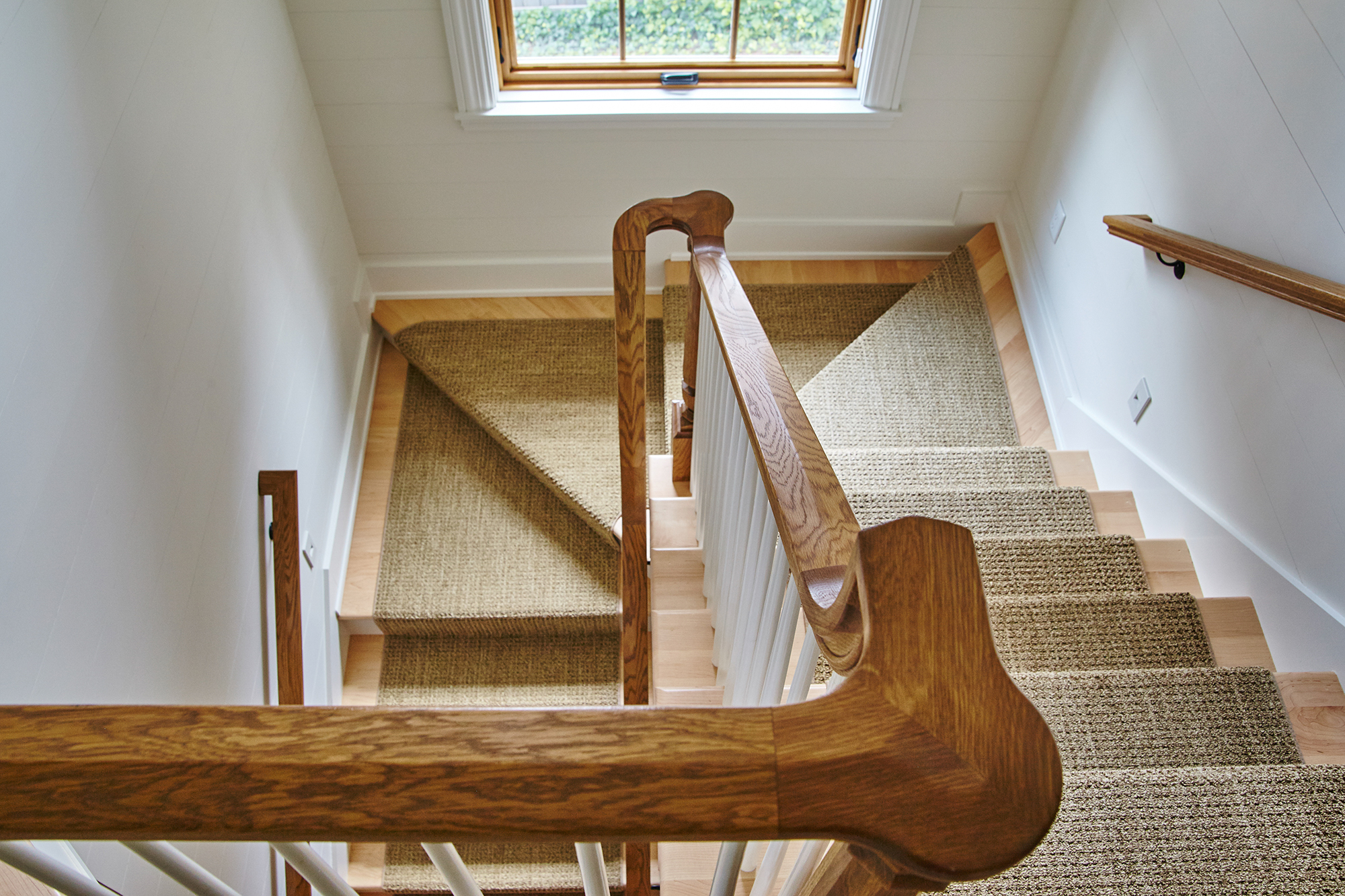
Staircases and upstairs rooms often need different flooring features. A staircase experiences repeated foot traffic across a relatively small surface, while bedrooms and upper hallways need a comfortable floor that suits everyday living. In a multi-level Banner Elk home, choosing the right carpet for these areas can help create a consistent look while addressing the practical needs of each space.
From the texture underfoot to the way carpet handles regular use, several details are worth comparing before making a decision. Explore the carpet options at A Flooring Outlet, Inc. to see different styles and constructions. You can also contact the team for assistance with your flooring project in Banner Elk, NC.
Choose a Carpet That Handles Staircase Traffic
Staircases are among the busiest areas in many homes. Every trip between floors creates repeated pressure on the same sections of carpet, particularly along the center of each step and near the nosing. A carpet that looks plush in a bedroom may not be the most suitable choice for stairs.
Look for carpet with good density and resilience. Density refers to how closely the fibers are packed together, while resilience describes how well the fibers recover after being compressed. These features can help carpet maintain its appearance as people walk over it regularly.
Ask about the product's suitability for stair installation and review the manufacturer's recommendations. Carpet construction, pile height, fiber type, and backing all influence performance. A flooring professional can help you compare products that are designed to handle the repeated use a staircase receives.
Consider Low Pile Carpet for Stairs
Pile height is an important detail when selecting carpet for steps. Low pile carpet has shorter fibers, creating a flatter surface that can be easier to fit securely around stair treads and edges. It can also be simpler to vacuum than some thicker styles.
Loop pile and tightly constructed cut pile options are worth exploring. Loop pile carpet has fibers formed into small loops, giving it a distinct texture. However, if you have pets with claws, check whether the particular loop construction is suitable for your household, as claws may catch on some loops.
Cut pile carpet has fibers that are cut at the ends rather than left in loops. It can provide a softer feel while still offering suitable options for staircases. The right choice depends on the product's construction and how much traffic your stairs receive.
Think About Stair Safety and Installation
Carpet can provide a softer surface underfoot and may help reduce the impact of a slip. However, carpet alone does not guarantee a safe staircase. The installation needs to be secure, with no loose sections, wrinkles, or raised edges that could catch a foot.
Proper fitting is especially important around stair nosings, where the horizontal tread meets the front edge of the step. Poorly secured carpet can shift or become loose over time. Have the installer explain how the carpet will be attached and finished along the edges.
Also consider the carpet padding. The padding used on stairs may differ from what is suitable for a bedroom. Excessively thick or soft padding can affect how securely carpet fits around the steps. Follow the carpet manufacturer's installation guidance and use an appropriate padding product.
Select Carpet That Feels Comfortable in Upstairs Bedrooms
Bedrooms usually have different priorities from staircases. Comfort, warmth, and a pleasant texture may matter more than the ability to withstand constant foot traffic. Carpet can make an upstairs bedroom feel more inviting, especially during colder months in Banner Elk.
Plush cut pile carpet offers a soft surface that feels comfortable when you step out of bed. Textured cut pile styles provide a slightly more casual appearance and can be practical for rooms that see regular use. If you prefer a more structured look, consider a patterned carpet that adds detail without relying on a bold color.
Think about who uses the bedroom and how the space functions. A guest bedroom that sees occasional use may suit a softer decorative style. A child's bedroom or a frequently used family room may benefit from a more resilient construction that is easier to maintain.
Choose the Right Fiber for Each Space
Carpet fibers influence how a product feels, handles wear, and responds to stains. Nylon is often considered for busy areas because of its resilience. It can be a useful option for staircases and upper hallways where the same sections receive repeated foot traffic.
Polyester is known for its soft feel and range of available colors. It may suit bedrooms where comfort and appearance are priorities, although it may not recover from heavy compression as well as some other fibers.
Triexta is another fiber to compare, particularly if you want a balance of softness and stain resistance. Product performance varies, so review the specifications and cleaning instructions rather than relying on the fiber name alone.
Wool offers natural warmth and a distinctive texture. It can complement the wood trim and natural materials often found in mountain homes, but it may come with a higher price and more specific maintenance needs. Ask about the care requirements before choosing it for a high traffic area.
Coordinate Staircase Carpet With Upstairs Flooring
Your staircase often connects the main living area with bedrooms and other upstairs spaces. The carpet does not have to match every floor covering exactly, but the colors and textures should work together.
For example, a neutral carpet can create a smooth transition between hardwood downstairs and carpeted bedrooms upstairs. Warm beige, soft gray, and muted brown shades can complement many wood tones and interior color schemes.
If your staircase is visible from the main living area, consider how the carpet looks alongside your existing flooring, wall color, railing, and trim. A busy pattern may draw attention to the stairs, while a more subtle texture can blend into the surrounding design.
It is also worth considering whether you want the same carpet on the stairs and upstairs hallway. Using one style across both areas can create visual continuity. However, the product must be suitable for both applications, especially if the hallway receives significant traffic.
Choose Colors and Patterns With Everyday Use in Mind
Carpet color affects more than the overall appearance of a room. It can influence how noticeable everyday dirt, lint, and footprints become. Very light carpet may show certain marks more easily, while very dark carpet can make dust and lighter debris stand out.
Medium tones and subtle patterns can help disguise minor signs of daily use. A textured carpet with a mix of fibers or colors may also be practical for a busy staircase. However, choose a shade that works with your home's interior rather than selecting a color based only on its ability to hide dirt.
Before making a decision, compare samples in the actual rooms where the carpet will be installed. Upstairs lighting can differ from the lighting downstairs, and natural light may change how a color appears throughout the day.
Pay Attention to Carpet Padding
Padding is not always visible once carpet is installed, but it contributes to the feel and performance of the finished floor. The right padding can provide support, improve comfort, and help the carpet perform as intended.
For bedrooms, padding can make a noticeable difference in how soft the carpet feels. On stairs, however, a suitable firm padding is generally more appropriate because it helps support the carpet as it wraps around each step.
Using padding that is too thick or soft can affect the fit and stability of carpet on stairs. Follow the manufacturer's recommendations for thickness and density, and make sure the selected padding is suitable for the intended installation area.
Make Cleaning and Maintenance Part of Your Decision
Staircases can be harder to clean than open floor areas because of their shape and the edges around each step. A vacuum with suitable attachments can help remove dirt from corners, risers, and along the stair edges. Regular cleaning is useful because grit trapped in carpet fibers can contribute to wear.
Upstairs bedrooms may need a different routine depending on how frequently they are used. Vacuuming regularly, addressing spills promptly, and following the manufacturer's cleaning instructions can help maintain the carpet's appearance.
For homes with pets, consider how much hair the carpet may collect and whether the texture makes cleaning easier or more difficult. Also check the recommended cleaning products before purchasing. Some carpet fibers and treatments have specific care requirements.
Plan Your Carpet Installation Carefully
Accurate measurements and proper installation are important for both stairs and upstairs rooms. Staircases have several individual surfaces, including treads, risers, and edges, so the installer needs to account for the shape and dimensions of each step.
Discuss the carpet layout, seams, and finishing details before work begins. If you are carpeting an upstairs hallway and several bedrooms, consider how the carpet will transition between doorways and other flooring materials. Good planning can help create a neat, consistent result.
It is also a good time to check the condition of the existing subfloor and stairs. Loose boards, uneven surfaces, or other problems should be addressed before carpet is fitted. Installing new carpet over an unsuitable surface can affect the finished appearance and how it performs over time.
Find Carpet That Works Throughout Your Home
The best carpet for your staircase may not be the same style you choose for your bedrooms. Focus on resilience, density, and secure installation for stairs, while giving more attention to softness and comfort in private rooms. Comparing fiber types, pile styles, colors, and padding can help you make choices that suit each space.
Visit A Flooring Outlet, Inc. in Banner Elk, NC, to explore carpet options for your staircase, hallway, and upstairs rooms. You can also contact the team to discuss your project and find a carpet style that fits your home.


